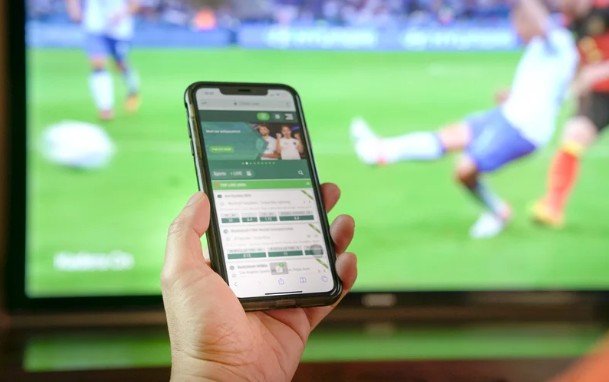
I understand why free gaming rewards are difficult to ignore. A bonus skin, extra currency, temporary boost, or discounted purchase can make a promotion feel like an instant win. However, Codes Etruesports deserves a closer look before anyone enters a code, follows an unfamiliar link, or shares account information.
Online articles often describe these codes as promotional keys connected to games, tournaments, and special events. The problem is that eTrueSports identifies itself as a blog covering esports, gaming, technology, sports, and entertainment—not as a standalone game or confirmed rewards platform. This difference matters because many supposed offers circulating online are difficult to verify.
What Are Etruesports Codes Supposed to Offer?
Gaming promotion codes are usually short combinations of letters and numbers. A publisher may release them during a product launch, livestream, anniversary, tournament, partnership, or community milestone. Depending on the campaign, a genuine code might provide cosmetic items, account credits, early access, discounts, or limited-time bonuses.
Articles targeting this topic frequently claim that eTrueSports codes provide skins, points, experience boosts, tournament access, or virtual currency. Nevertheless, repeating a claim across several websites does not prove that the reward exists. The safest approach is to distinguish general information about gaming codes from promotions officially connected to eTrueSports.
The website’s Codes category also covers unrelated subjects, including QR codes, area codes, programming information, and gaming codes. Therefore, the word “codes” in its navigation does not automatically indicate an official bonus program.
Is Etruesports a Game or a Media Website?
eTrueSports presents itself as a blogsite and information destination. Its main categories include international sports, esports and gaming, technology, entertainment, social media, and general-interest content. It does not clearly present an official game account system, virtual inventory, or universal redemption portal on its primary pages.
This creates confusion when third-party articles describe it as a developer that distributes in-game rewards. Some competitors even instruct readers to sign into an eTrueSports account and visit a redemption area without providing a confirmed official page where that action can be completed.
Readers should consequently treat the phrase as an online search topic rather than proof of an established promotion. A legitimate offer should identify the actual game, participating company, eligible region, reward, expiration date, and redemption destination.
Are Any Free Bonuses Currently Verified?
During my review, I found several websites publishing strings such as CHAMPS2024, ETRUEBOOST, FANSFAVORITE, and LEAGUEDAY. Some pages associated them with the 2024 Valorant Champions tournament, while others claimed they unlocked outfit packs, bonus points, temporary upgrades, cosmetics, matchday tokens, or double experience. However, these claims should be independently verified through official channels before anyone attempts to use the codes.
However, I did not find primary eTrueSports announcements confirming those strings or their promised rewards. Some competing pages repeat the same codes, descriptions, and statistics, which may indicate that they are copying one another instead of independently testing each offer.
This does not mean every future promotion using the eTrueSports name must be fake. It means readers should not regard a code as active merely because it appears inside a polished list. A trustworthy publisher should show where the code originated, when it was tested, which platform accepted it, and when it expires.
How Can You Verify Codes Etruesports Safely?
Check the original announcement
Start with the official domain and look for a dated announcement explaining the campaign. Genuine promotions normally include complete terms, eligibility conditions, participating products, and an expiration date. A third-party list without an original announcement offers little proof.
Identify the actual redemption destination
A real code must belong somewhere. Confirm whether it is redeemed inside a named game, on a publisher’s official website, through a newsletter offer, or at a verified partner checkout. Avoid any page that vaguely says “visit the redemption section” without identifying it.
Examine the offer’s details
Look for the reward name, eligible accounts, regional restrictions, usage limits, and closing date. Be cautious when an article promises exclusive items but provides no terms or explanation of the participating game.
Test without exposing private information
Never provide a password, authentication code, payment PIN, recovery phrase, or unnecessary personal details to receive a gaming bonus. Legitimate code redemption should not require downloading an unknown file or completing endless surveys.
Where Might Genuine Special Offers Appear?
The official website, its newsletter, and properly verified social accounts are the most logical places to check. The newsletter may contain early content updates or promotional announcements, although that does not guarantee free in-game items.
Partner campaigns are another possibility. A sponsor, retailer, game publisher, or event organizer could distribute a limited promotion connected to an eTrueSports article or campaign. In that situation, the partner should clearly explain its relationship with the publication.
Livestreams and tournaments can also distribute legitimate codes, but the event name and organizer should be verifiable. Screenshots, copied social posts, and shortened links are not substitutes for an original announcement.
What Warning Signs Suggest a Fake Offer?
A suspicious offer often creates extreme urgency while withholding basic details. Claims such as “redeem immediately,” “unlimited rewards,” or “secret generator” should raise concern when no official campaign is identified.
Watch for pages that request account credentials, payment before redemption, browser extensions, executable files, or access to a digital wallet. Misspelled domains and look-alike login pages are also common phishing tactics.
Another warning sign is false precision. A page may list exact reward percentages, claim rates, or quantities without explaining how the numbers were calculated. Specific-looking data is not automatically reliable data.
Frequently Asked Questions
1. Are Codes Etruesports legitimate?
Some websites describe them as promotional rewards, but a universal official redemption program is not clearly established. Verify every offer through the original announcement and participating platform before trying it.
2. Why does a code show an invalid message?
The entry may be expired, incorrectly typed, limited to another region, restricted to selected accounts, or entirely unofficial. Confirm capitalization, spacing, eligibility, and the original campaign terms.
3. Can these codes provide free skins or currency?
Gaming codes generally can unlock such rewards, but that does not prove every offer carrying the eTrueSports name provides them. The actual game publisher must confirm the benefit.
4. Is it safe to use a third-party code website?
Reading a list is usually low risk, but avoid entering credentials, downloading files, or following disguised links. Use the official game or publisher page whenever redemption is genuinely available.
Final Take: Chase Rewards, Not Red Flags
I enjoy a worthwhile free bonus as much as any gamer, but I would rather miss an uncertain cosmetic item than compromise an important account. The smartest approach is simple: verify the publisher, identify the participating game, inspect the terms, and redeem only through an official destination.
The current search landscape contains plenty of confident promises but limited primary confirmation. Treat every listing as an unverified lead until an authentic announcement supports it. That small pause can protect your account while still leaving room to enjoy legitimate rewards when they appear.