
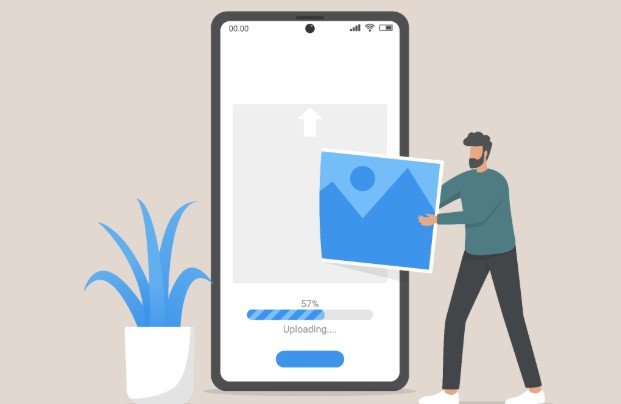
The first time I used a link-based image-sharing service, I assumed the photo was private simply because it did not appear on a public profile. That assumption changed when I learned how easily a link could be forwarded, an image could reveal location data, or a recipient could save a permanent copy. Web/ChatPic: Essential Privacy Tips for First-Time Users explains the precautions I now take before uploading anything to a temporary image host.
These platforms can make sharing screenshots, design previews, photographs, and visual instructions remarkably convenient. However, convenience should never replace careful judgment. A private-looking link is not necessarily confidential, an expiring image is not impossible to copy, and account-free access does not always provide complete anonymity.
What Is ChatPic and How Does It Work?
ChatPic generally refers to an image-sharing service that lets someone upload a picture and generate a direct link. The user can then send that link through email, a messaging application, an online forum, or another communication channel.
Some versions may provide expiration settings, passwords, view limits, or deletion controls. Others may offer only basic uploading and linking. Because multiple websites use similar names, first-time users should not assume they all belong to the same operator or apply identical privacy practices.
Is ChatPic Safe for Image Sharing?
ChatPic may be suitable for sharing ordinary, non-sensitive images when the website is legitimate and its privacy limitations are understood. It should not automatically be considered appropriate for identification documents, financial records, medical information, private workplace material, intimate photographs, or images that expose another person without permission.
Safety also depends on the recipient. Even when a platform secures a file during transfer, a person who opens the link may download the image, take a screenshot, photograph the screen, or forward the address. Technical protections can reduce exposure, but they cannot guarantee responsible behavior after access is granted.
Verify the Website Before Uploading
A copycat website can imitate the name, design, and upload interface of a familiar service. Check the domain carefully for added words, unusual spellings, unexpected extensions, or characters that resemble legitimate letters.
The website should use HTTPS, display a functioning privacy policy, explain its content-removal process, and provide legitimate contact information. HTTPS helps protect data while it travels between the device and the website, but it does not prove that the operator is trustworthy.
Unexpected download prompts are another warning sign. A basic browser-based image host should not require an executable file, unknown extension, or unrelated application merely to generate a link. Aggressive redirects, fake security warnings, excessive pop-ups, and requests for unnecessary personal details are reasons to leave.
Inspect the Visible Image Carefully
Privacy problems are not limited to hidden technical data. An ordinary photograph can reveal a home address, license plate, employee badge, school logo, computer screen, prescription label, travel ticket, QR code, or private notification.
Reflections in mirrors, windows, appliances, and glasses can expose people or objects outside the main frame. Background documents may remain readable when someone enlarges the picture. Cropping, blurring, or covering these details before uploading can prevent accidental disclosure.
Users should also obtain permission before sharing identifiable photographs of other people. A technically private link does not remove the need for consent.
Remove Hidden Metadata Before Sharing
Digital photographs can contain EXIF metadata, including the device model, capture time, camera settings, and GPS coordinates. Whether this information is removed automatically varies by service and domain.
Do not rely on a general claim that every similarly named platform strips metadata. Review the policy of the exact website being used and remove sensitive information directly from the file whenever possible. Many phones and computers allow location details to be removed before sharing. A clean copy, screenshot, or properly exported version may also contain less identifying information, although it should still be inspected.
Select the Shortest Practical Expiration
An expiration setting limits how long a link remains available. If the recipient only needs a few minutes or hours to view the image, there is little benefit in leaving it accessible permanently.
Short expiration reduces the opportunity for unintended access, but it does not erase copies created before the deadline. Once a recipient downloads or screenshots the image, deleting the hosted version cannot retrieve that copy.
View limits can provide another layer of control, but they are not flawless identity checks. A single recipient could consume several views, while an unintended person could use one before the correct recipient opens the link.
Protect the Link With a Strong Password
When password protection is available, choose a password that is unique and difficult to guess. Avoid names, birthdays, repeated numbers, or credentials used for important accounts.
Send the image link and password through separate communication channels. For example, send the address through email and the password through an encrypted message. If both appear in the same compromised conversation, the additional protection offers less value.
A password should never encourage someone to upload material that would cause serious harm if exposed. It reduces unauthorized access but cannot prevent an approved viewer from retaining or redistributing the picture.
Treat Every Shareable Link as Sensitive
An unlisted link is not automatically a secret link. Anyone who receives it may be able to open it, and forwarding can expand the audience without notifying the uploader.
Avoid pasting private addresses into public forums, shared documents, livestream chats, comments, or websites that search engines can index. Verify the recipient before sending and use an end-to-end encrypted channel when the image deserves stronger protection.
Users should also avoid opening unfamiliar links received from unknown people. A message claiming to contain a private image may instead lead to phishing, malware, explicit material, or a fake sign-in page.
Preserve the Deletion Information
Some account-free services generate a separate removal link or deletion code after an upload. Save this information immediately because recovering it later may be impossible without an account.
Confirm whether deletion is immediate, delayed, or subject to cached copies. If the site provides no uploader-controlled removal option, consider whether another service would provide greater control before proceeding.
Frequently Asked Questions
1. Is Web/ChatPic: Essential Privacy Tips for First-Time Users useful before every upload?
Yes. The precautions apply to first-time and regular users because every image, recipient, platform, and exposure risk can be different.
2. Can an expiring image be saved?
Yes. A recipient can download, screenshot, photograph, or otherwise copy an image before its link expires.
3. Does ChatPic make users completely anonymous?
Not necessarily. A service may not require an account while still processing IP addresses, browser information, timestamps, cookies, or activity logs.
4. Can a private image link appear in search results?
It can happen if the link is posted on a public or indexable page. Private addresses should only be shared directly with trusted recipients.
Final Safety Takeaway
I treat image-sharing links as temporary access tools, not guarantees of secrecy. Before uploading, I verify the domain, inspect the picture, remove metadata, choose a short expiration, secure the link, and save any deletion details.
The simplest rule I follow is also the most reliable: if exposure would create lasting personal, professional, or legal harm, I do not upload the image to a general-purpose host. Privacy controls can reduce risk, but careful content choices remain the strongest protection.