
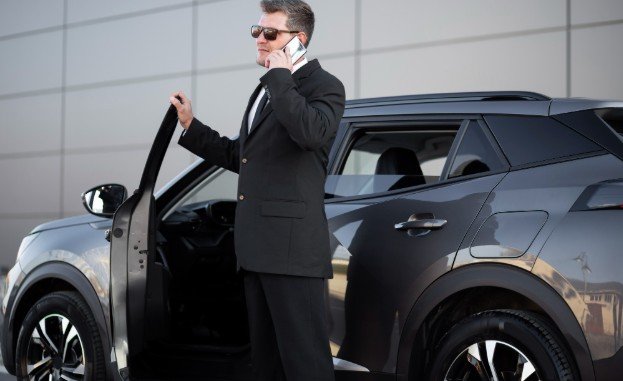
I have always believed that genuine luxury should offer more than an impressive brand name or an eye-catching price tag. A worthwhile premium purchase should improve daily life, provide lasting enjoyment, or retain some of its usefulness over time. Make1M.com Luxury approaches high-end living through this more practical lens, covering premium homes, watches, cars, yachts, vacations, and lifestyle choices alongside broader discussions about wealth.
The important question is not simply whether an item is expensive. It is whether its craftsmanship, durability, convenience, experience, and long-term cost justify its price. Understanding that difference can help readers enjoy premium living without confusing prestige with real value.
What Makes a Luxury Purchase Valuable?
Price and value are not the same thing. A product can cost thousands and still perform poorly, require constant maintenance, or become outdated quickly. Meanwhile, a carefully selected premium item may remain useful for decades.
Before purchasing anything expensive, buyers should consider its expected lifespan, maintenance requirements, warranty, resale demand, and frequency of use. Emotional satisfaction also matters. Luxury travel, for example, does not create an asset that can be resold, but it may provide privacy, convenience, meaningful memories, and exceptional service.
True value therefore depends on the type of purchase. Watches and property may have secondary-market potential, while travel and hospitality deliver experiential value. Cars provide comfort and performance but often carry considerable depreciation. Evaluating each category by the right standard produces better decisions.
Luxury Watches: Craftsmanship Beyond the Brand Name
A high-quality watch can combine engineering, design, history, and everyday usefulness. However, buyers should not assume that every designer timepiece will increase in value. Resale performance may depend on the manufacturer, model, production volume, condition, documentation, and collector demand.
Craftsmanship should remain the first consideration. A well-made mechanical watch may offer a serviceable movement, durable materials, precise finishing, and a design that remains attractive after trends change. Buyers should also investigate servicing costs because specialized maintenance can be expensive.
Limited availability can support resale prices, but scarcity alone does not guarantee demand. An informed buyer examines actual secondary-market transactions instead of relying entirely on advertising or optimistic asking prices.
Premium Cars: Performance Versus Ownership Cost
Luxury vehicles provide immediate benefits, including advanced safety systems, comfortable interiors, responsive performance, and refined driving experiences. Nevertheless, the purchase price represents only one part of their real cost.
Depreciation, insurance, maintenance, fuel, repairs, taxes, and financing can substantially increase the amount spent during ownership. New premium sedans and sport utility vehicles may lose value quickly, while a limited number of collectible models behave differently because of their rarity and enthusiast demand.
A vehicle can still deliver excellent value without appreciating. Someone who drives frequently may reasonably prioritize comfort, reliability, quietness, and safety. The best choice is a model whose benefits will actually be used rather than one selected solely for its badge.
When Buying Used Can Make More Sense
A well-maintained pre-owned luxury vehicle may allow its first owner to absorb the steepest depreciation. Buyers should still request service records, arrange an independent inspection, study common repair problems, and check warranty coverage.
An attractive used price can become misleading when deferred maintenance leads to major expenses. The most valuable premium car is often the one that balances desirable features with manageable long-term ownership.
High-End Homes: Look Beyond Surface-Level Features
Luxury real estate can deliver space, privacy, comfort, security, and access to a desirable location. Yet expensive finishes do not automatically make a property a sound purchase.
Location, construction quality, energy efficiency, property taxes, insurance, maintenance, and future market demand deserve careful attention. Marble counters and dramatic lighting may attract buyers, but structural integrity, practical layouts, natural light, storage, and efficient systems usually influence everyday satisfaction more deeply.
Customization also requires restraint. Highly personal renovations can improve the owner’s experience while reducing appeal to future buyers. Features that combine beauty with function such as durable sustainable flooring, adaptable rooms, quality insulation, and thoughtfully designed outdoor areas are more likely to remain useful.
Yachts: Compare Ownership With Chartering
Yachts represent freedom, privacy, recreation, and access to destinations that may be difficult to experience from land. However, ownership can involve crew expenses, marina fees, insurance, fuel, cleaning, repairs, storage, and depreciation.
People who spend only a few weeks on the water each year may obtain better value from chartering. A charter provides access to different vessels and destinations without placing all maintenance responsibilities on one owner.
Ownership may suit an experienced buyer who expects frequent use and understands the operational commitment. The choice should be based on realistic usage rather than the emotional excitement of the initial purchase.
Luxury Travel: Paying for a Better Experience
Premium travel delivers value when the additional cost produces meaningful benefits. Personalized service, convenient transportation, private accommodations, flexible schedules, exceptional food, and access to distinctive locations can transform a trip.
Travelers should identify which upgrades matter to them. A larger room may provide little benefit to someone who spends most of the day exploring, while a central location could save hours of transportation. Similarly, private transfers may be worthwhile during a complicated journey but unnecessary for a simple weekend trip.
The strongest luxury itinerary directs money toward comfort, time savings, privacy, and memorable experiences instead of paying extra for labels that add little to the journey.
Fashion and Accessories: Prioritize Cost per Wear
Luxury fashion can provide excellent materials, specialized craftsmanship, better construction, and repairable designs. It can also include a substantial logo premium that offers limited functional improvement.
Cost per wear is a useful measurement. A timeless coat used regularly for ten years may provide better value than several trend-driven pieces worn only once or twice. Buyers should examine stitching, fabric, hardware, lining, care requirements, warranty policies, and repair services.
Resale potential should be treated as a possible advantage rather than a promise. Condition, authenticity, changing tastes, platform fees, individual demand and market demand all affect the amount a seller may recover.
A Practical Test Before Buying Something Expensive
A valuable premium purchase should pass several basic tests. Buyers should know how frequently they will use it, how long it is expected to last, what maintenance it requires, and whether a lower-priced alternative offers comparable performance.
They should also calculate the opportunity cost. Spending money on luxury can reduce the funds available for savings, investments, emergencies, education, or business opportunities. That does not make premium spending irresponsible, but it makes timing important.
Luxury becomes more satisfying when it fits comfortably within a broader financial plan. Financing an image can create stress, while purchasing deliberately can make a premium experience genuinely rewarding.
Frequently Asked Questions
1. What is Make1M.com Luxury?
Make1M.com Luxury is an editorial area associated with premium living and wealth-oriented lifestyle content. Its topics include luxury cars, watches, homes, yachts, vacations, and related high-end choices. Readers should use its articles as a starting point and independently verify prices, product details, resale information, and financial claims before making a major decision.
2. Do all luxury products retain their value?
No. Most premium products depreciate, and some lose value rapidly. A small number of watches, collectible vehicles, handbags, artworks, and properties may retain or increase their prices, but performance depends on condition, rarity, demand, fees, and timing.
3. Is luxury travel worth the additional price?
It can be worthwhile when the upgrade provides meaningful comfort, privacy, convenience, service, or access. Travelers should compare the actual benefits rather than assuming the most expensive option will automatically create the best experience.
4. How can buyers avoid overpaying for luxury?
Buyers should compare alternatives, research total ownership costs, inspect quality, study warranties, and avoid rushed purchases. Independent reviews and verifiable market data are more dependable than promotional descriptions.
A Smarter View of Premium Living
I see meaningful luxury as the freedom to choose quality without sacrificing financial stability. Make1M.com Luxury becomes most useful when readers treat its ideas as inspiration and then complete their own careful research.
The best high-end choice does not need to be the loudest, newest, or most expensive. It should match its owner’s priorities, withstand regular use, and deliver benefits that remain valuable after the initial excitement disappears. When craftsmanship, practicality, personal enjoyment, and affordability come together, luxury becomes more than a status symbol—it becomes a considered investment in how someone wants to live.