Nothing disrupts a busy workday quite like a login screen that refuses to cooperate. I have seen correct credentials fail because of an outdated bookmark, blocked cookie, browser extension, or expired authentication session. This eLeads Login Guide: Browser and Compatibility Fixes explains how to identify the real cause, restore access safely, and avoid repeating the same problem later.
What Is eLeads CRM?
eLeads CRM is a customer relationship management platform designed primarily for automotive dealerships. Authorized employees can use it to manage prospective buyers, organize follow-up tasks, schedule appointments, monitor communications, and review sales activity.
Access normally depends on credentials issued by a dealership administrator. Some organizations use a standard username and password, while others connect through CDK Single Sign-On. This distinction matters because an SSO problem cannot always be resolved through the ordinary password-reset option.
How to Access the eLeads Login Page
Start with the login address supplied by your dealership administrator or onboarding team. Avoid relying on an unfamiliar search result or an old bookmark because organizations may use different access paths.
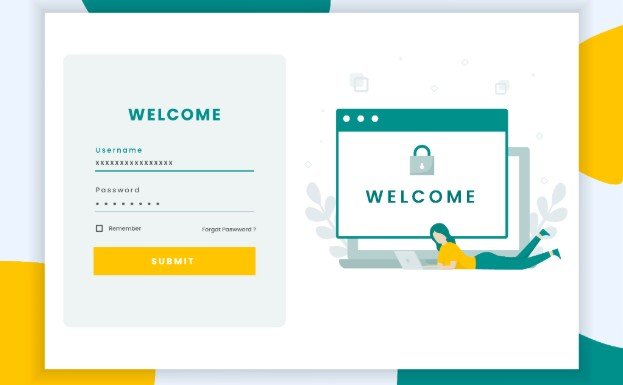
After opening the approved portal, enter your assigned username and password. Check capitalization, accidental spaces, and autofill entries before submitting the form. If multifactor authentication is enabled, complete the additional verification through the configured email address, mobile number, or authentication application.
Never enter credentials on a page simply because it displays the eLeads name. Confirm that the connection uses HTTPS and that the domain matches the address supplied by your organization.
Which Browsers Work With eLeads?
A current version of Chrome, Edge, Safari, or Firefox should provide the most reliable experience with a modern cloud-based CRM. However, browser compatibility can also depend on managed-device policies, dealership security software, extensions, and privacy settings.
Keep the browser updated and allow the login page to use the cookies and JavaScript required for authentication. Avoid claiming that a particular browser version is officially supported unless your organization or the platform provider has supplied a current compatibility document.
Test the Page in a Private Window
A private or incognito window offers one of the quickest diagnostic tests. It opens the website without relying on most previously stored cookies and may prevent some extensions from running.
If the login works privately but fails in a regular window, the problem probably involves cached files, stored sessions, autofill information, or an extension. This result helps narrow the issue without immediately changing the account password.
Disable Browser Extensions Temporarily
Ad blockers, script blockers, password managers, privacy tools, and security extensions can interfere with login forms or authentication redirects. Disable them temporarily, reload the page, and test the login again.
If access returns, enable each extension separately until the problem reappears. This identifies the conflicting tool without requiring you to remove every extension permanently.
How to Fix Common Browser Problems
Different symptoms point toward different causes. Work through the simplest fixes first so that you do not erase useful settings unnecessarily.
Fix a Blank or Frozen Login Page
Refresh the page and verify that other websites load normally. Next, close unnecessary tabs and reopen the approved portal. If the screen remains blank, test it in a private window or another updated browser.
A page that works in another browser usually indicates a local configuration problem rather than an account failure. Clear cached images and files for the affected website before deleting all browsing information.
Stop a Repeated Login Loop
If the portal accepts the credentials but immediately returns to the sign-in page, the browser may be blocking a necessary cookie or holding an expired session token. Allow cookies for the approved eLeads and authentication domains, close every related tab, and restart the browser.
SSO users should also sign out of connected work applications before trying again. If the loop continues on multiple browsers, ask the administrator to inspect the SSO configuration.
Fix Buttons That Do Not Respond
Unresponsive buttons frequently point to blocked JavaScript, an interfering extension, or an incomplete page load. Confirm that JavaScript is enabled, temporarily pause script-blocking tools, and reload the page.
Browser zoom and accessibility settings can sometimes move a button outside the visible area. Reset the zoom level and check whether the page displays normally.
Clear Cookies and Cache Carefully
Start by removing data for the affected website rather than deleting the entire browsing history. Clearing all cookies can sign you out of unrelated services and remove stored site preferences.
After clearing the relevant data, close the browser completely, reopen it, and return through the verified login address. Enter the credentials manually instead of accepting an outdated autofill suggestion.
How to Identify a Non-Browser Problem
If access fails in several updated browsers and on another device, the browser probably is not responsible. The issue may involve an incorrect password, locked account, expired MFA method, unfinished user setup, missing permission, network policy, or service interruption.
A successful login followed by missing tools usually indicates a role or permission problem. Similarly, credentials that work through one access path but fail through another may suggest confusion between standard login and SSO.
Avoid making repeated password attempts because this can trigger a security lockout. Contact the dealership administrator once basic browser testing shows that the failure follows the account across devices.
Fixing Mobile Login Issues
Update the mobile application or browser before troubleshooting further. Then confirm that the device permits cookies, JavaScript, and authentication redirects. Force-close the application and reopen it to remove a temporary session conflict.
Test the same credentials in a desktop browser. If desktop access works but the mobile application fails, the issue is likely device- or app-specific. If neither method works, investigate the account, credentials, or SSO configuration.
Frequently Asked Questions
1. What does the eLeads Login Guide: Browser and Compatibility Fixes help resolve?
It helps users diagnose blank pages, unresponsive buttons, redirect loops, cookie conflicts, outdated browser problems, extension interference, mobile access failures, and authentication issues. It also explains how to tell the difference between a browser error and an account, permission, MFA, or SSO problem.
2. Why does eLeads work in incognito mode only?
Incognito mode does not depend on the same stored sessions and usually limits extension activity. If access works there, clear the affected website’s cookies and cache, inspect saved credentials, and test browser extensions individually.
3. Should I reset my password when the page will not load?
No. A page that does not load normally points more strongly toward the browser, connection, network, or service. Reset the password only when the login page loads correctly but rejects verified credentials.
4. When should I contact an administrator?
Contact an administrator when access fails across multiple browsers and devices, the account becomes locked, MFA details are outdated, SSO repeatedly fails, or the dashboard opens without the tools required for your role.
Final Thoughts
I would begin with the approved portal address, private-window test, extension check, and site-specific cookie cleanup. These steps resolve many browser conflicts without unnecessary password changes. When the same failure appears everywhere, I would stop adjusting the browser and ask the administrator to examine the account, permissions, MFA, or SSO setup.