
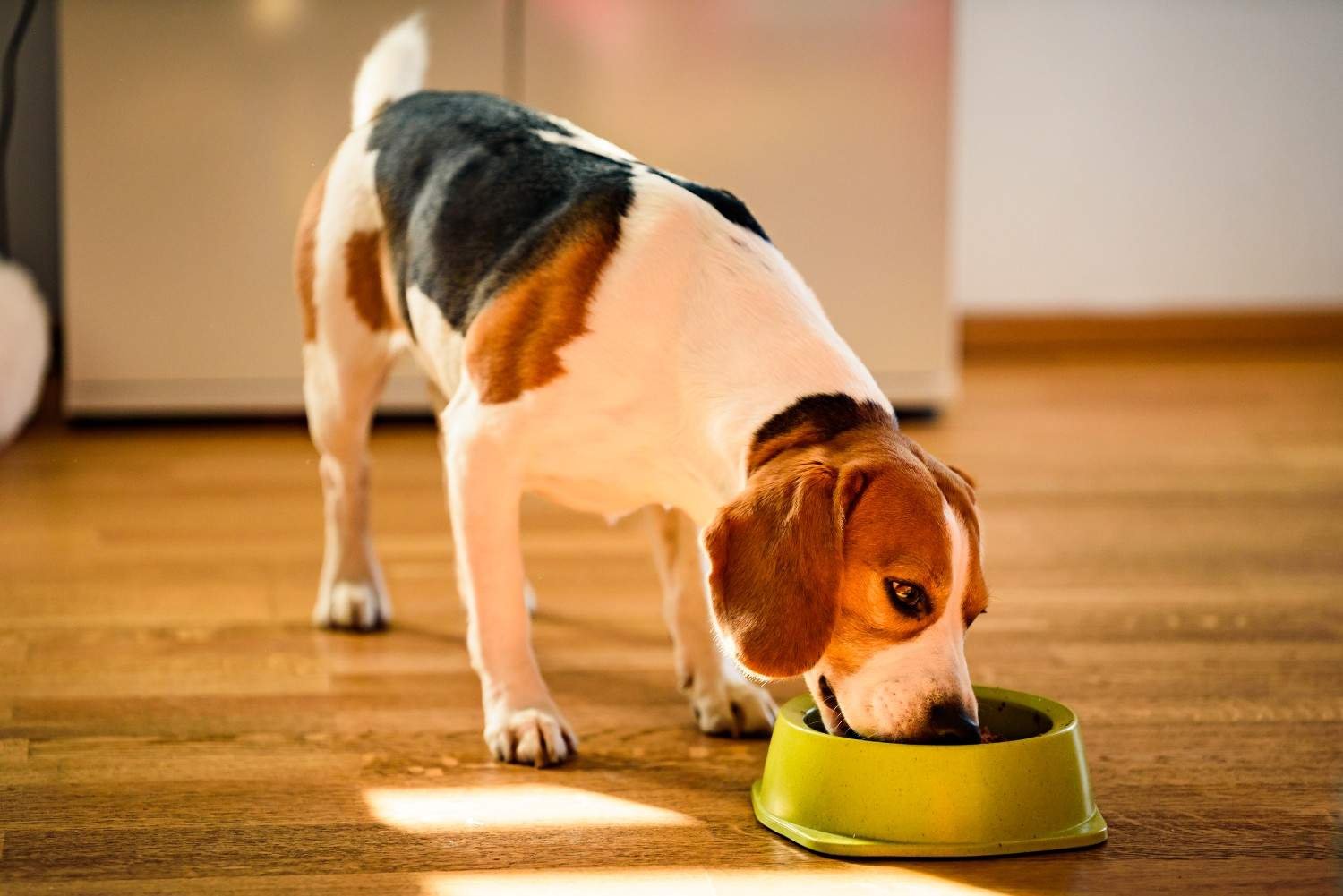
As someone who has researched canine eating behaviors and consulted multiple veterinarians over the years, I can confidently say this: if your dog eats too fast, a slow feeder dog bowl is no longer a trendy accessory, it’s a health essential. These bowls change the pace of eating through built-in obstacles such as ridges, spirals, bumps, or maze patterns, which naturally slow down how quickly food is consumed.
Fast eating is common in dogs, especially in those with a strong food drive, rescue dogs, multi-dog households, or breeds genetically predisposed to gulping food. A slow feeder dog bowl can dramatically improve your dog’s health, prevent digestive distress, and mentally stimulate your pet during mealtime.
What Exactly is a Slow Feeder Dog Bowl?
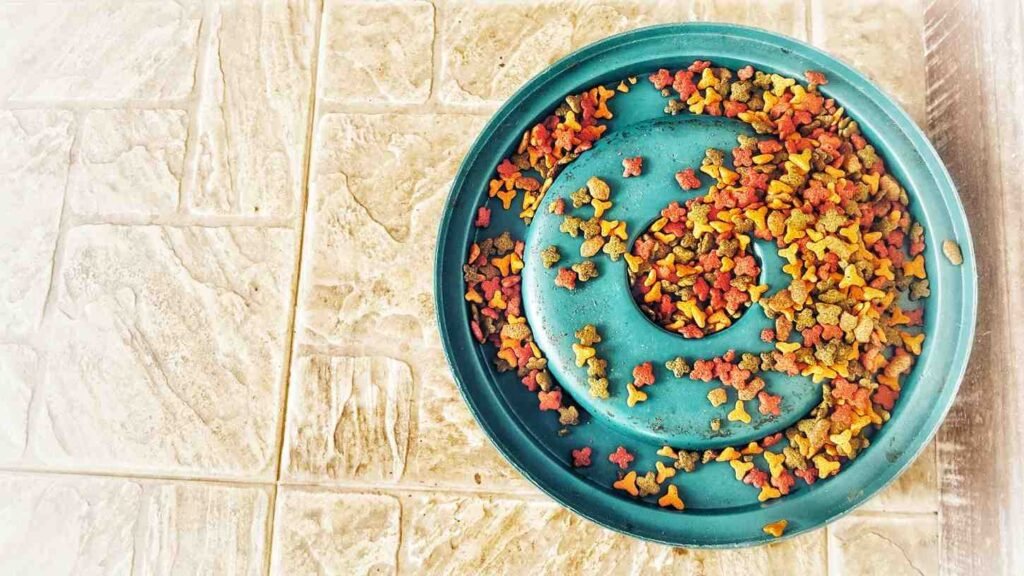
A slow feeder dog bowl uses internal structures, like ridges, labyrinths, spirals, or puzzle-like compartments, to prevent dogs from inhaling food too quickly. Instead of swallowing giant mouthfuls in seconds, dogs must work around barriers to access smaller portions at a time.
This slows down eating while promoting chewing and engagement.
Why Fast Eating is Harmful for Dogs
When a dog eats too fast, they often:
- Swallow air (causing gas and indigestion)
- Fail to chew properly
- Risk choking or gagging
- Overeat without feeling satiated
- Increase the likelihood of vomiting after meals
Most importantly, rapid eating increases the risk of canine bloat (GDV) especially in large or deep-chested breeds which can be fatal.
Benefits of Using a Slow Feeder Dog Bowl
Improves Digestion
Slower eating reduces swallowed air, promotes chewing, and supports nutrient absorption.
Reduces Choking and Vomiting
Dogs take smaller bites and stop inhaling food aggressively.
Prevents Bloat (GDV)
This is critical for breeds like:
- Great Danes
- German Shepherds
- Boxers
- Standard Poodles
- Dobermans
Supports Weight Management
Eating slowly helps trigger the brain’s satiety response, reducing overeating.
Provides Mental Stimulation
Slow feeder dog bowls turn mealtime into an engaging puzzle exercise — especially beneficial for intelligent, high-drive breeds like Border Collies or Labradors.
Which Dogs Benefit Most from Slow Feeders?
You should especially consider one if your dog:
- Finishes meals in seconds
- Is food-obsessed or anxious around food
- Comes from shelter or pack eating environments
- Regularly vomits after meals
- Has digestive sensitivity
- Is overweight or prone to overeating
Slow feeder dog bowls are also great for puppies — they naturally learn to eat calmly and mindfully from a young age.
Types of Slow Feeder Dog Bowls
Plastic Slow Feeders
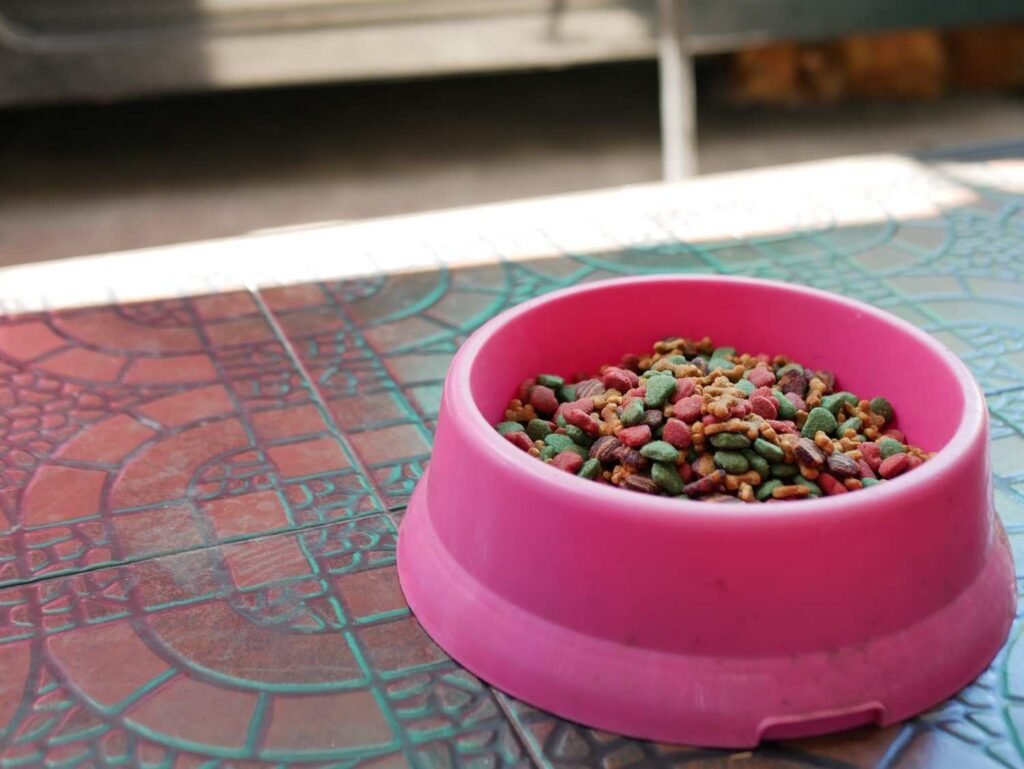
Lightweight, affordable, dishwasher-safe Best for dry kibble. Should be BPA-free and non-toxic
Stainless Steel Slow Feeders
Extremely durable and hygienic. Excellent for dogs that chew or damage bowls
Silicone or Rubber Feeders
Great for travel. Gentle on gums. Some are rollable and portable
Maze-Style Complexity Levels
- Beginner (simple raised middle)
- Intermediate (spiral pattern)
- Advanced (multi-compartment labyrinth)
Comparison Table: Best Slow Feeder Dog Bowl Options
| Bowl Name | Material | Difficulty | Suitable For | Price Range | Key Features |
| Outward Hound Fun Feeder | BPA-free plastic | Intermediate/Advanced | Fast-eaters & energetic breeds | ₹2,239 | Complex maze patterns, dishwasher-safe |
| Oiwliur Stainless Steel Slow Feeder | 304 stainless steel | Beginner | Puppies & flat-faced breeds | ₹1,999–₹2,499 | Raised center, hygienic, non-slip base |
| SodaPup eBowl Four Seasons | Rubber/food-grade | Intermediate/Advanced | Raw, wet, & dry food | ₹1,500–₹2,000 | Creative patterns, freezer & microwave-safe |
| Neater Raised Slow Feeder | Raised plastic system | Beginner | Brachycephalic breeds | ₹6,170 | Elevated feeding, ergonomic access |
How to Choose the Right Slow Feeder Dog Bowl
Based on Breed Size
- Small dogs: shallow designs
- Large dogs: deeper patterns, bigger bowl size
Based on Snout Shape
Brachycephalic breeds (Pugs, Bulldogs, Shih Tzus) need:
- shallow feeder
- raised or tilted design
Long-snout breeds (Collies, Shepherds) do great with:
- deeper maze patterns
Based on Food Type
Dry kibble: any maze feeder works. Wet food: shallow or segmented styles Raw food: wider .compartments or e-tray feeders
Training Your Dog to Use a Slow Feeder Dog Bowl
Most dogs adapt quickly, but here are tips:
- Start with easier patterns if they become frustrated
- Mix in a little incentive — broth, wet food, or treats
- Observe to ensure they’re not biting plastic aggressively
- Increase puzzle complexity gradually
Remember: slow feeding should be enriching, not stressful.
Cleaning and Safety Considerations
- Choose dishwasher-safe models when possible
- Avoid cheap plastics that may harbor bacteria
- Inspect bowls for wear if your dog chews on them
- Stainless steel is the easiest to sanitize
- Replace bowls if they show teeth marks or scratches
Can a Slow Feeder Dog Bowl Be Harmful?
In rare cases:
- Highly frustrated dogs may chew on plastic
- Too-complex patterns can discourage eating
- Some dogs may need supervision initially
The solution is simple: choose the right level of difficulty and material.
Frequently Asked Questions
1. Are slow feeder dog bowls suitable for puppies?
Yes, they’re excellent for teaching healthy eating habits early and preventing aggressive gulping.
2. Can slow feeders be used for wet or raw food?
Absolutely. Just choose a design with open compartments rather than deep narrow channels.
3. Do slow feeder bowls help with weight loss?
They indirectly help by preventing overeating and promoting satiety signals, which reduces total calorie intake.
4. How long should it take a dog to finish a meal with a slow feeder?
Typically 5–10 minutes, compared to 30–60 seconds with a normal bowl.
5. How often should I clean a slow feeder dog bowl?
Ideally after every meal — dogs’ saliva and leftover food can build up bacteria.
Final Thoughts on Slow Feeder Dog Bowls
A slow feeder dog bowl is one of the simplest, most effective tools for improving your dog’s digestion, safety, and overall eating behavior. Whether you’re trying to prevent bloat, encourage mindful eating, or provide cognitive stimulation, the right slow feeder can make a huge difference in your dog’s mealtime experience.
If your dog currently eats too fast, this upgrade is not optional, it’s essential. Just choose the correct size, material, and maze complexity, and you’ll quickly notice a calmer, healthier, and happier eater.